


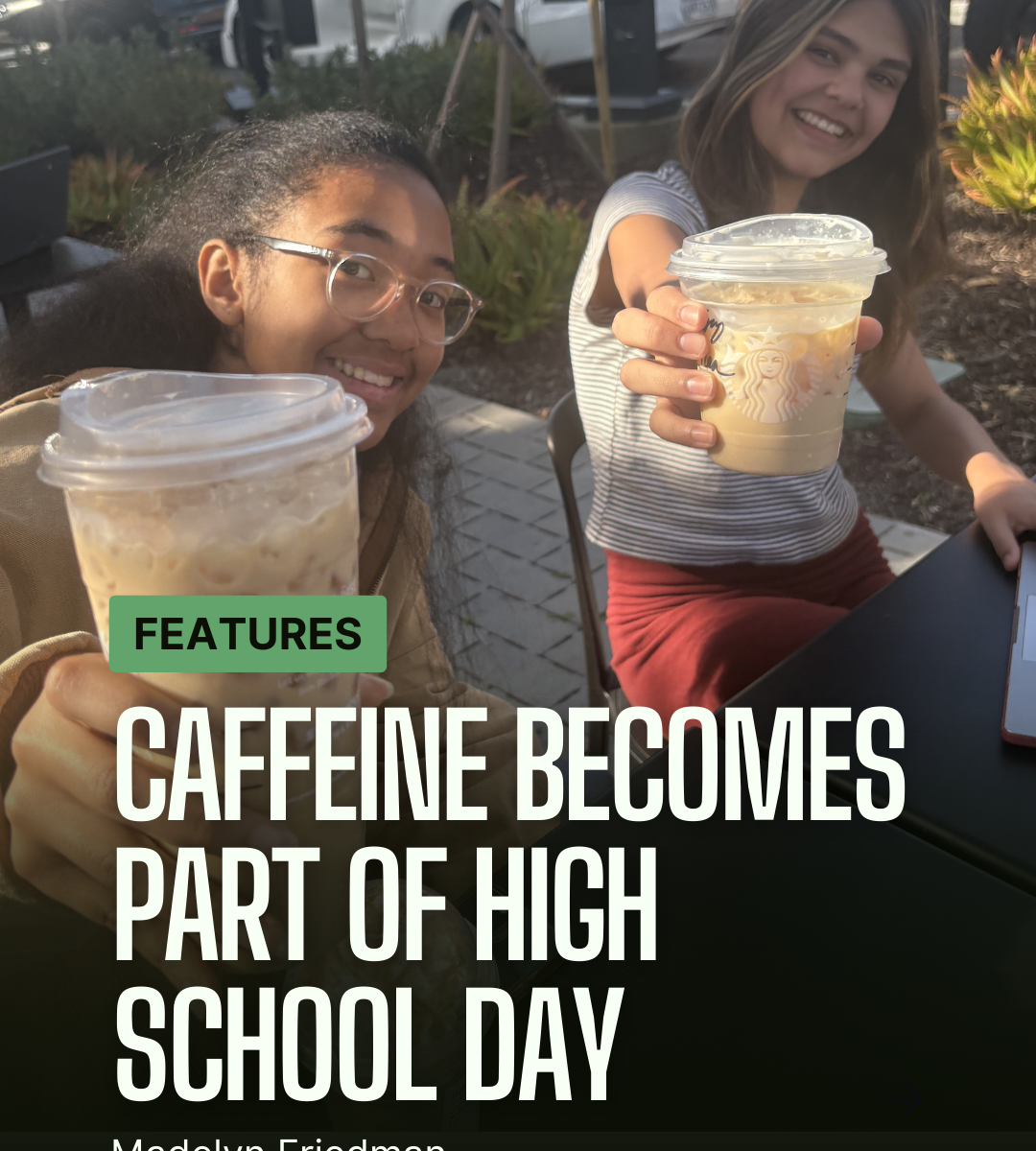
Walk through the halls before first period and you’ll see it everywhere: iced coffees, energy drinks, Starbucks everything. What used to be more of an “adult drink” has officially become part of teen culture, and for many high schoolers, coffee feels extra essential.
According to a recent C.S. Mott Children’s Hospital National Poll, about 31% of U.S. teens aged 13-18 regularly consume coffee in addition to other caffeine sources like soda and energy drinks. Parents report that nearly 1 in 4 teens consumes caffeine daily or nearly every day, with 9% saying their child drinks it every single day.
These numbers reflect a broader trend in how young people are getting their caffeine. A CDC-linked study found that coffee’s share of total caffeine intake among youth grew from about 10% in 1999 to roughly 24% by 2010, while soda’s contribution dropped significantly. In other words, teens are shifting from soft drinks to brewed beverages, and that change has come with both social perks and health questions.
“Caffeine is a drug that stimulates the brain and nervous system,” says pediatrician Susan Woolford, M.D., co-director of the poll. Too much of it can affect mood, sleep, and school performance, she notes.
Teenagers are starting to drink coffee at an earlier age than past generations, and it’s not hard to see why. Early school start times, packed schedules, sports, jobs, homework, and social lives all compete for sleep. Coffee promises energy and productivity in a single sip. Add in the factor of cozy cafes, drive-through chains, and aesthetic coffee content on social media, and caffeine has become more than a drink – it’s a lifestyle.
When senior and Makenna Koffee employee Niki Krupnick was asked how coffee has impacted teen culture, she mentioned, “coffee has impacted teen culture in a good way, and it’s given teenagers a fun way to add some excitement to school mornings.”
According to health organizations, caffeine is the most commonly used stimulant in the world. Studies show that a majority of teenagers consume caffeine regularly, whether through coffee, tea, soda, or energy drinks. Experts generally recommend that teens limit caffeine intake to about 100 milligrams per day, but many students admit they go over that.
Sophomore Addison Anello says she drinks coffee every morning before school. “I make my own at home. I don’t like spending money on my coffee.” She also states, “I think coffee has positively impacted teen culture; it makes you very energetic and everyone needs that.” Anello’s view suggests that coffee has become a shared language for teenagers. It serves as a collective “energy boost” that helps students keep up with their academic and social lives.
Madisyn Lezandro and Xander Gaskins, both sophomores, believe caffeine is heavily relied upon and “we should start cutting back on it.”
“I think people care a lot about coffee than other things, but it’s pretty good and it gets people caffeinated for finals,” Gaskins says. He stated he drinks two Alanis a day, as well as Bloom and the iced energy drinks.
Coffee culture is also social. Cafes, like Makenna Koffee or Five07, have become popular hangout spots after school or on weekends. Meeting for coffee is seen as low-pressure; students can study or just sit together without much expectation.
Still, there are downsides. Too much caffeine can lead to anxiety, trouble sleeping, headaches, and crashes later in the day. School counselors and health teachers encourage students to prioritize sleep, hydration, and balanced meals before relying on caffeine.
Coffee isn’t going away anytime soon, and for many teens, it’s a comfort and a routine. Like most things, moderation matters. As coffee culture continues to grow in high schools, the challenge is learning how to use it wisely. Whether it’s a morning iced latte or something seasonal, coffee has definitely earned its place in teen life.